Physically Demanding Work Hasn’t Changed. What’s Possible Has.
Repetitive bending and lifting take a cumulative toll on the body over time. For decades, back strain, fatigue, and injuries have been treated as an unavoidable cost of getting the job done.
Exoskeletons change that equation.
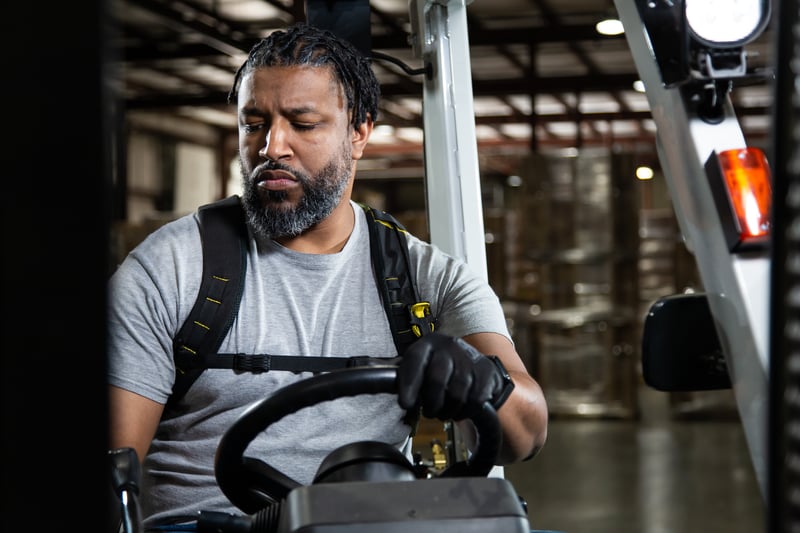
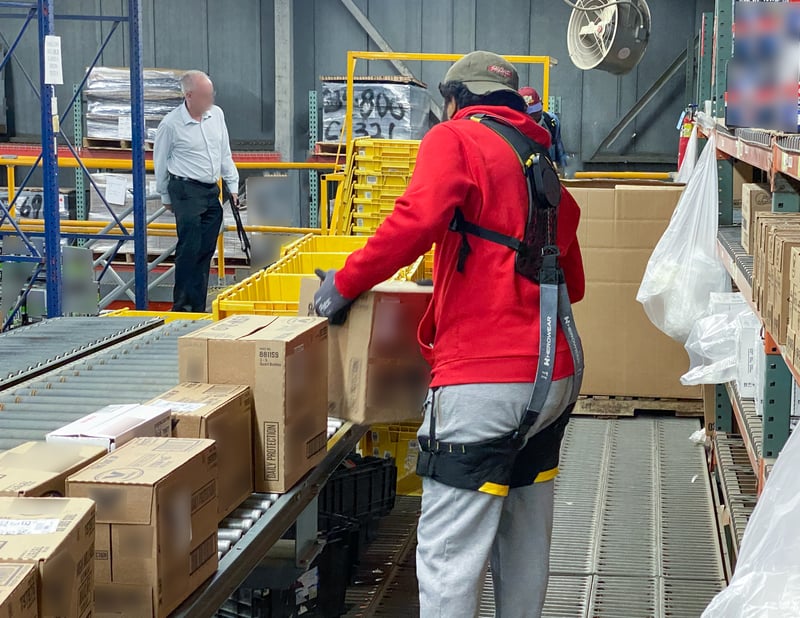
Lightweight exosuits (soft exoskeletons) have proven to be an effective and practical tool to support workers across various jobs and industries. For instance, the Apex 2 exosuit comfortably assists the human body during demanding tasks, reducing muscle strain and fatigue during bending and lifting work, without interfering with other job tasks.
The Apex 2 has proven especially effective in the following jobs and industries:
Warehousing & Logistics
- Replenishment worker
- Receiving associate
- Delivery driver
- Order selector
- Bulk loader
Manufacturing & Assembly
- Assembly line worker
- Packaging operator
- Production worker
- Machine operator
- Material handler
Food & Beverage
- Food production worker
- Cold storage associate
- Palletizing operator
- Putaway associate
- Loader / unloader
Distribution & Supply Chain
- Fulfillment associate
- Stock associate
- Cargo handler
- Order packer
- Case picker
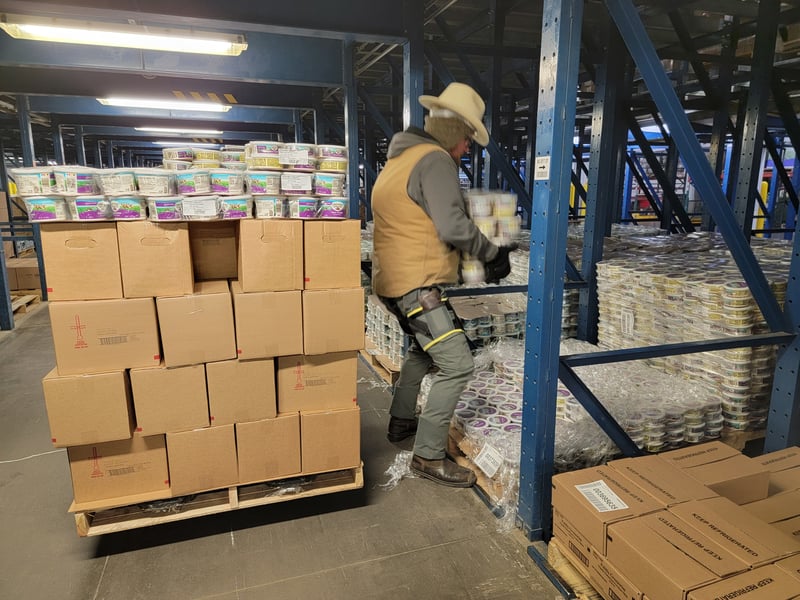
![]() Logistics & Warehousing |
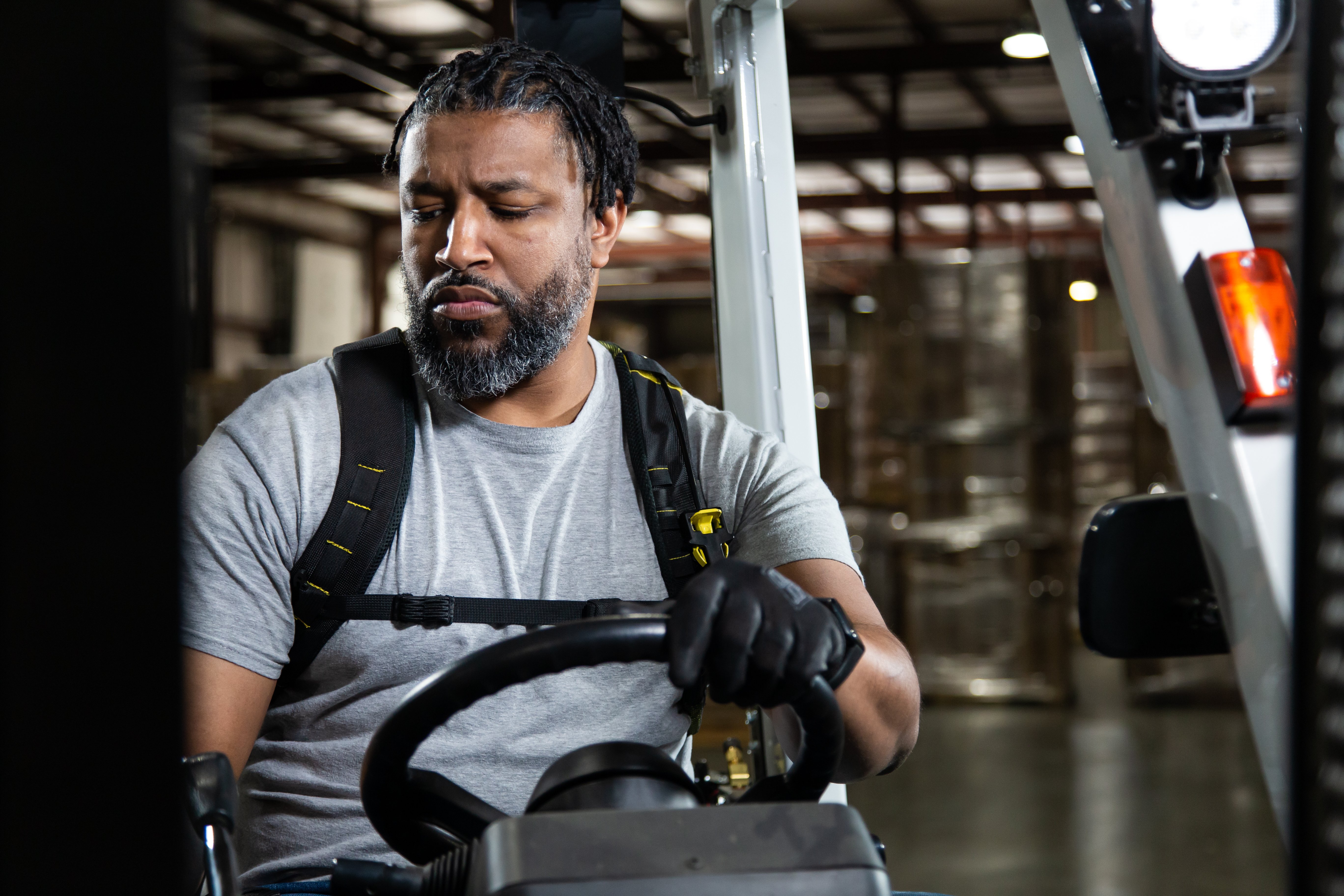
![]() Manufacturing & Assembly |
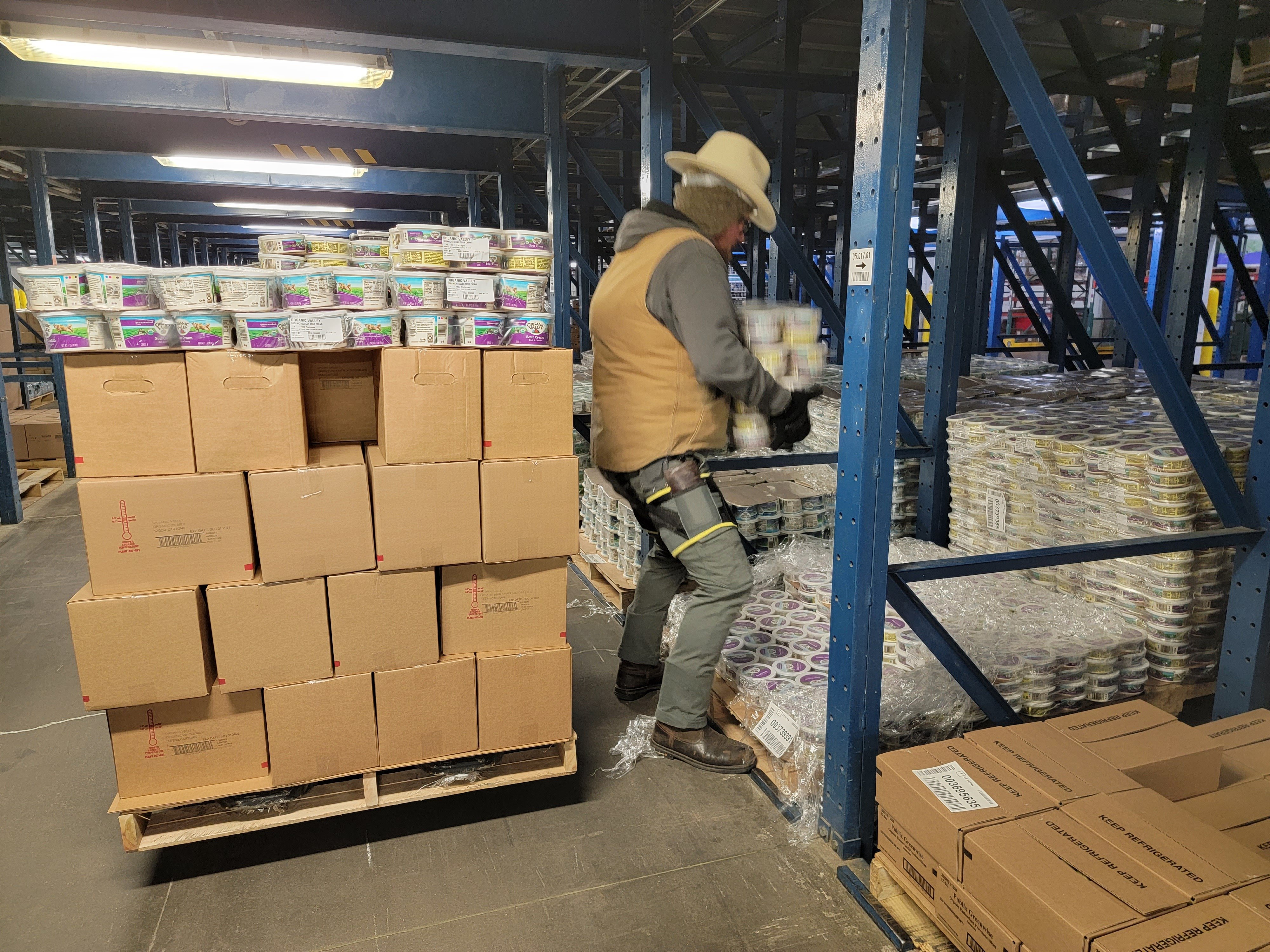
![]() Food & Beverage |
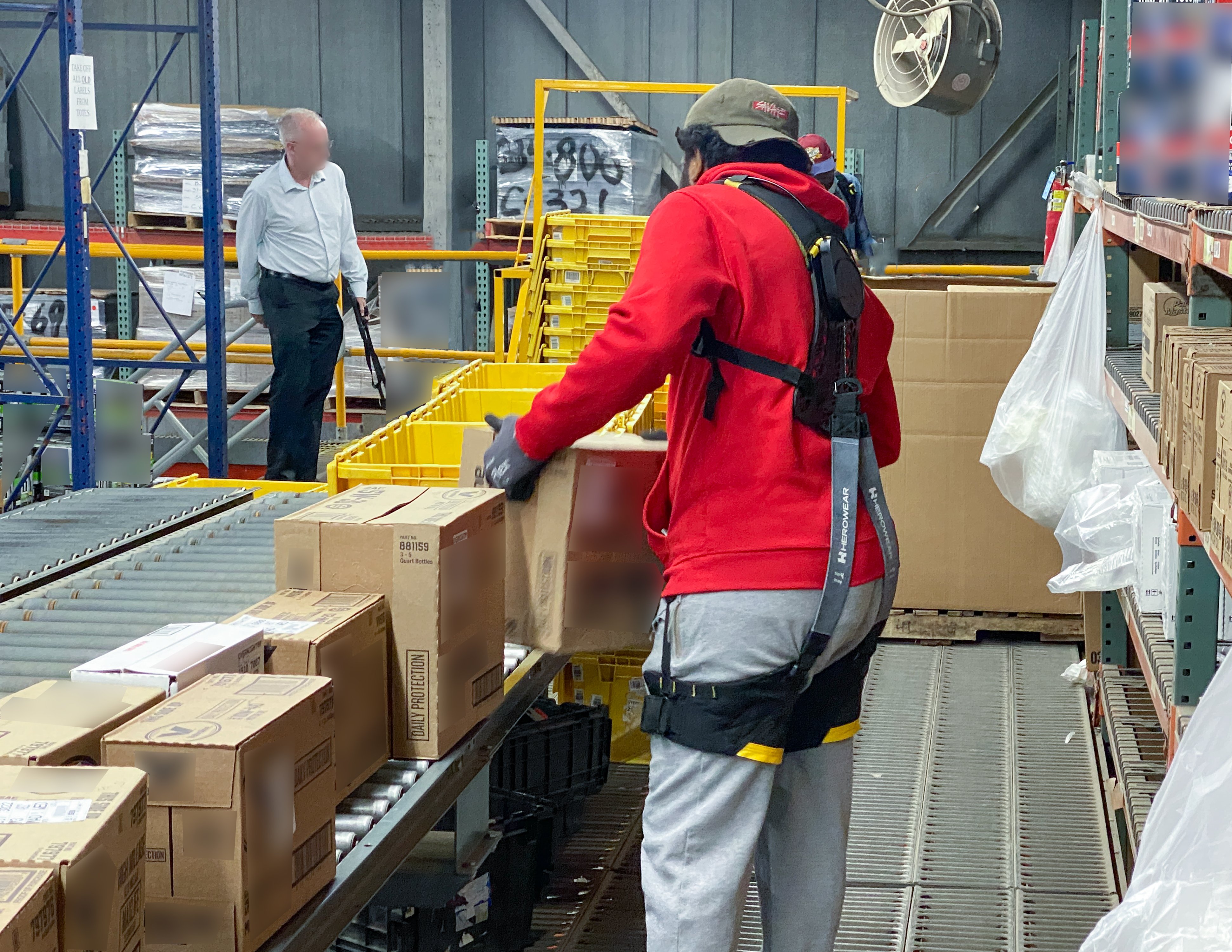
![]() Distribution & Supply Chain |
![]() Logistics & Warehousing |
![]() Manufacturing & Assembly |
![]() Food & Beverage |
![]() Distribution & Supply Chain |
Exosuits aren’t futuristic experiments or bulky machines. They’re now practical, proven, and scalable tools used in both civilian industries and military operations—protecting personnel while sustaining performance in physically demanding roles.
The Problem Exoskeletons Address
Most injuries don’t come from one bad lift. They come from repetition and overexertion.
- Constant bending and lifting
- Awkward or sustained postures
- Fatigue that compounds over a full shift
Training and coaching matter, but they don’t change the physics of the work. Over time, the body pays the price through pain, injury, and fatigue.
Exoskeletons complement existing safety programs and reduce exposure to these risk factors by supporting the body during high-strain movements.

How Exoskeletons Help
Offload strain. Boost endurance.
Lightweight exosuits like the Apex 2 provide assistance during repetitive bending and lifting while preserving natural movement and pace. They work because they:
- Integrate into existing workflows without disruption
- Reduce musculoskeletal load during high-risk tasks
- Lower fatigue over the course of a shift
- Support safer lifting movement
No automation. No workflow redesign. Just flexible support and lower risk for the work that already happens.
Why Exoskeletons
Organizations face difficult pain points and trade-offs:
- Training alone doesn't prevent overexertion
- Automation takes time, capital, and redesign
- Traditional ergonomic controls leave safety gaps
Exosuits fill critical gaps by delivering immediate, scalable and personalized support to workers without requiring batteries, motors, software, or major operational overhead.

-1.jpg?width=800&height=566&name=apex-2-exosuit-in-manufacturing-tasks%20(1)-1.jpg)